6 Important Things to Know About Ceramic Coatings
Keeping a vehicle looking clean and maintaining its exterior condition requires more than occasional washing. Everyday driving exposes paint to sunlight, road grime, bird droppings, tree sap, and other contaminants that can gradually affect its appearance. While traditional waxes and sealants offer some protection, they may not provide the durability many vehicle owners want. Ceramic coatings have become a popular option for drivers seeking longer-lasting paint protection and an easier cleaning routine. Understanding how these products work, what they offer, and what they require can help vehicle owners determine whether this detailing service is a worthwhile investment.
1. Understand How Ceramic Coatings Protect Vehicle Paint
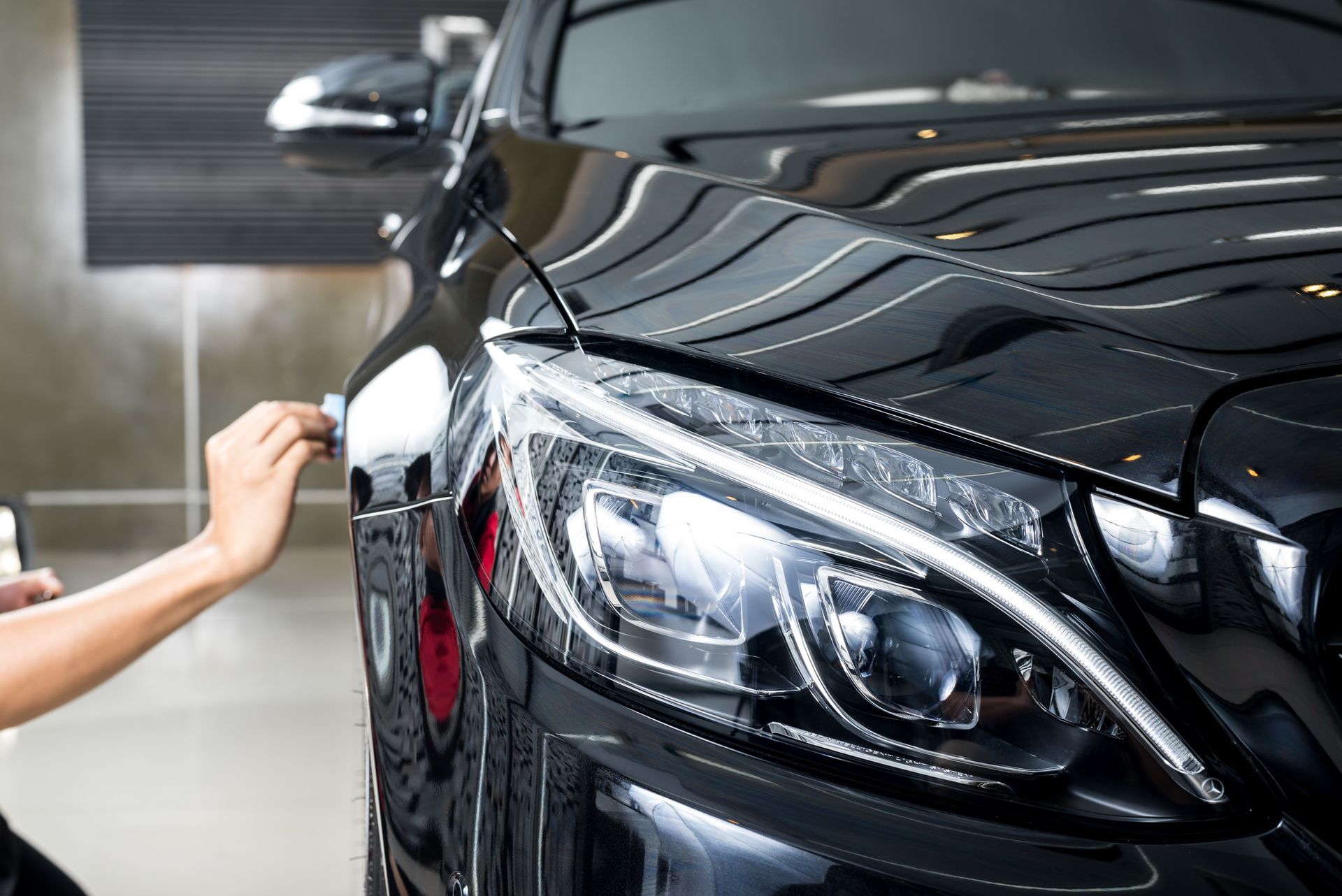
Ceramic coatings are liquid protective products applied to a vehicle's exterior surfaces. Once properly installed and cured, the coating creates a durable protective layer that bonds with the underlying paint or clear coat. This layer helps reduce direct exposure to environmental contaminants and makes routine exterior maintenance more manageable.
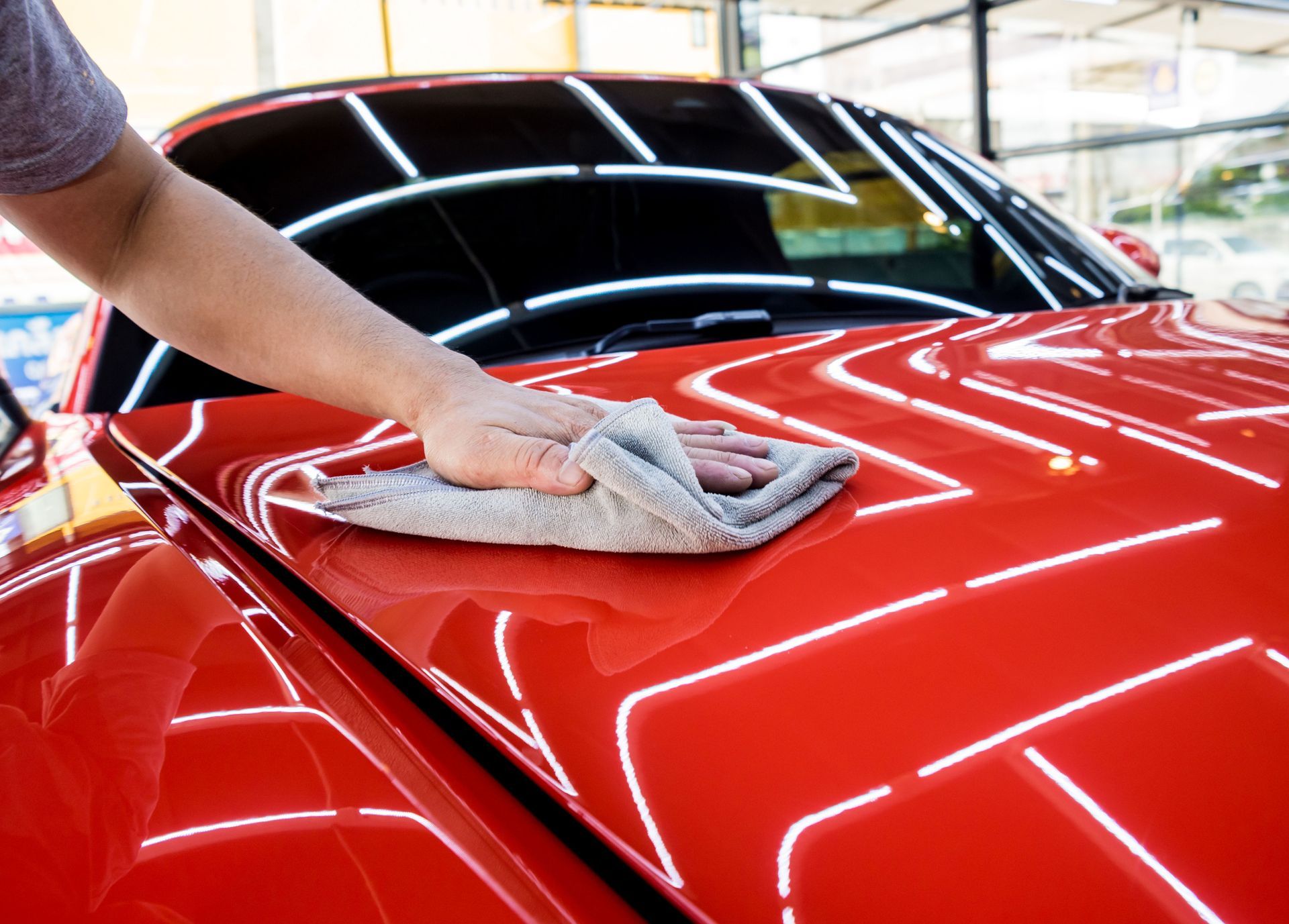
Unlike traditional wax, which generally sits on the surface and wears away relatively quickly, a ceramic coating is designed to provide more lasting protection. Its chemical composition creates a hydrophobic surface, meaning water tends to bead up and move away rather than spreading across the paint. This characteristic can help carry loose dirt and debris away during rainfall or washing.
However, protection does not mean complete immunity from damage. A coating cannot prevent every scratch, rock chip, or impact from occurring. Instead, it serves as an additional barrier against common environmental hazards while helping preserve the vehicle's exterior appearance. Understanding these capabilities helps establish realistic expectations before scheduling an application.
2. Recognize the Benefits of Hydrophobic Protection
One of the most noticeable advantages of ceramic coatings is their ability to repel water. The hydrophobic properties encourage water droplets to form beads and roll off treated surfaces. Because water is less likely to remain on the paint, certain contaminants may also have a harder time sticking to the exterior.
This feature can make routine vehicle washing considerably easier. Mud, road film, dust, and other loose debris may release more readily during cleaning, reducing the effort needed to maintain a presentable finish. Although washing is still necessary, owners may find that their regular maintenance routine becomes less demanding.
Water repellency can also contribute to a cleaner appearance between washes. When water drains away instead of sitting on the surface, it can reduce some opportunities for mineral deposits to develop. However, hard water and standing contaminants can still leave spots if they are not addressed promptly.
According to Zipdo, approximately 60–68 % of U.S. vehicle owners arrange to have their cars professionally detailed at least annually. This reflects the continued interest in maintaining vehicle appearance and condition. For owners who regularly invest in detailing, ceramic coatings can provide an additional layer of protection between professional cleaning appointments.
3. Prepare the Paint Before Application
The condition of the vehicle's paint plays an important role in determining the final appearance of a ceramic coating. Applying a protective product over dirt, imperfections, or embedded contaminants can prevent proper bonding and leave unwanted flaws visible beneath the finished surface.
Professional preparation generally begins with a thorough exterior wash. Detailers remove loose dirt, road grime, and other surface contaminants before evaluating the paint. Additional decontamination methods may be necessary to address stubborn substances that ordinary washing cannot eliminate.
Paint correction may also be recommended when the finish contains swirl marks, light scratches, oxidation, or other visible imperfections. This process helps improve the appearance of the paint before the protective product is applied. Since a coating can preserve the condition of the underlying finish, correcting noticeable defects beforehand is particularly important.
Skipping preparation can compromise the overall result. Ceramic coatings are not designed to conceal existing paint damage or replace corrective detailing. Proper surface preparation allows the coating to bond more effectively and helps create the smooth, reflective finish vehicle owners expect.
4. Consider the Long-Term Maintenance Requirements
Although ceramic coatings can simplify exterior maintenance, they do not eliminate the need for regular vehicle care. Dust, pollen, road salt, bird droppings, and other contaminants can still accumulate on treated surfaces. Leaving these substances unattended may eventually affect the appearance and performance of the coating.
Regular washing remains an important part of maintaining the protective layer. Using automotive-safe cleaning products and appropriate washing techniques helps remove contaminants without unnecessarily wearing down the treated surface. Harsh chemicals, abrasive materials, and improper cleaning equipment should generally be avoided.
Owners should also address potentially damaging substances as soon as practical. Bird droppings, insect residue, and tree sap can become difficult to remove when left on vehicle paint. Even a coated surface benefits from prompt attention because protective products do not make paint completely resistant to chemical contamination.
Periodic professional inspections can help determine whether the coating is performing as expected. A detailer can evaluate water behavior, surface cleanliness, and general coating condition while recommending appropriate maintenance. Following these practices helps owners get more value from their investment and maintain an attractive exterior.
5. Evaluate the Difference Between Coatings and Traditional Wax
Vehicle owners often compare ceramic coatings with traditional wax because both products are intended to improve exterior appearance and provide some protection. However, their composition, application methods, and expected performance differ considerably.
Traditional automotive wax generally provides a temporary protective layer that enhances gloss and helps water move across the paint. It can be a practical option for drivers who enjoy frequent detailing or prefer a relatively straightforward maintenance product. However, environmental exposure and regular washing gradually reduce its effectiveness.
Ceramic coatings are formulated to create a more durable bond with the vehicle's exterior. Their protective properties generally last longer than conventional wax, although actual longevity depends on product quality, application conditions, maintenance habits, and environmental exposure. This makes them appealing to owners interested in a more lasting detailing solution.
Cost is another consideration. A professional coating application may require a greater initial investment because of the preparation, specialized products, and installation expertise involved. Waxing may be less expensive initially, but it typically requires more frequent reapplication. Comparing the overall maintenance commitment can help drivers choose the option that better fits their priorities.
6. Choose Professional Application for Consistent Results
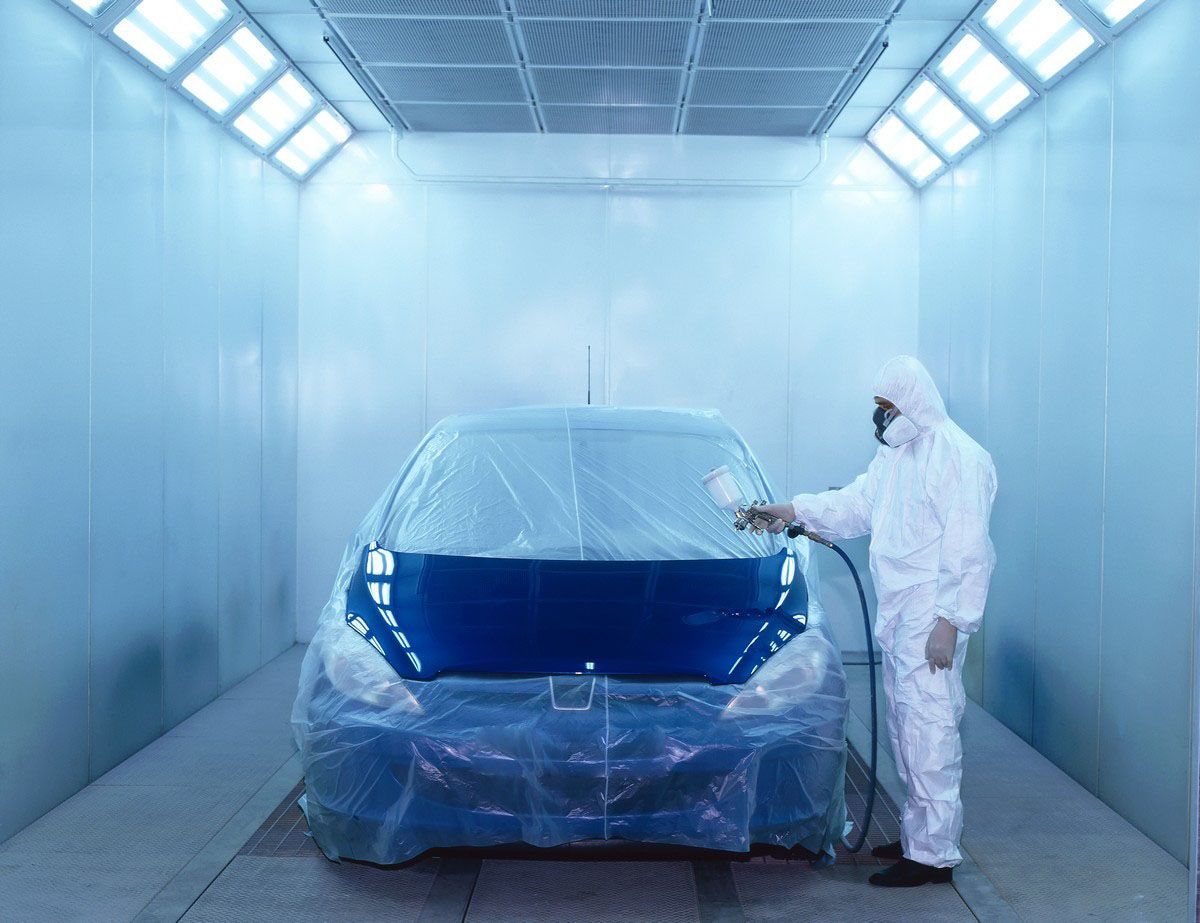
The application process is an important consideration when deciding whether to invest in ceramic coatings. Although consumer-grade products are available, professional installation offers access to specialized equipment, surface preparation techniques, and application experience that can influence the finished result.
Before applying the product, a detailer evaluates the vehicle's paint and determines whether additional correction or cleaning is necessary. The coating must then be distributed carefully across the appropriate surfaces. Uneven application, missed areas, or improper removal of excess product can leave visible high spots and inconsistent coverage.
Environmental conditions also matter during installation. Temperature, humidity, surface cleanliness, and curing requirements can influence how the product bonds and develops its protective properties. Professional detailers understand these considerations and can follow manufacturer recommendations to support a consistent application.
Vehicle owners should discuss their expectations with the detailing provider before scheduling service. Questions about preparation, product selection, maintenance instructions, warranty coverage, and expected performance can help clarify what the service includes.
Choosing an experienced detailing provider helps reduce uncertainty throughout the process. Proper installation, realistic expectations, and ongoing care work together to support a successful result that complements the vehicle's appearance.
From improved water repellency to reduced cleaning effort,
ceramic coatings offer meaningful advantages for owners who want a more durable approach to paint care. Understanding preparation, maintenance, application, and realistic performance expectations makes it easier to decide whether this service is appropriate. Contact Word of Mouth Detailing to discuss professional coating options and take the next step toward protecting your vehicle's finish.
Share On: